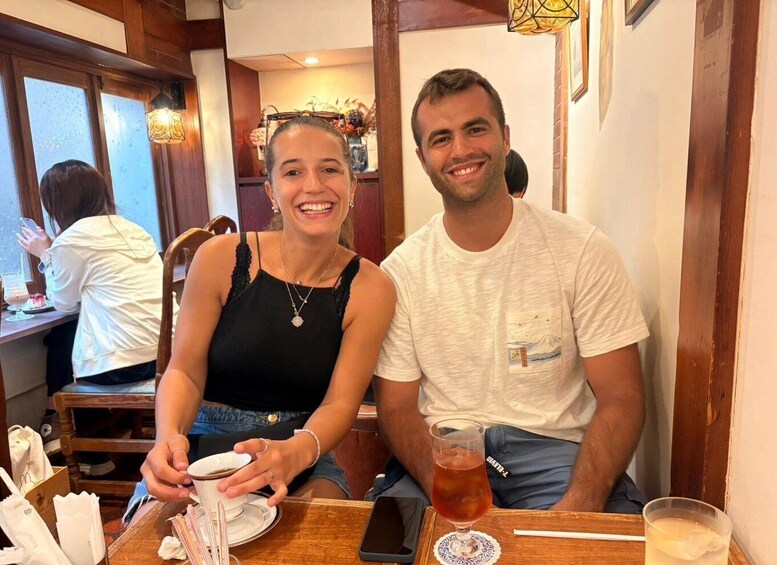
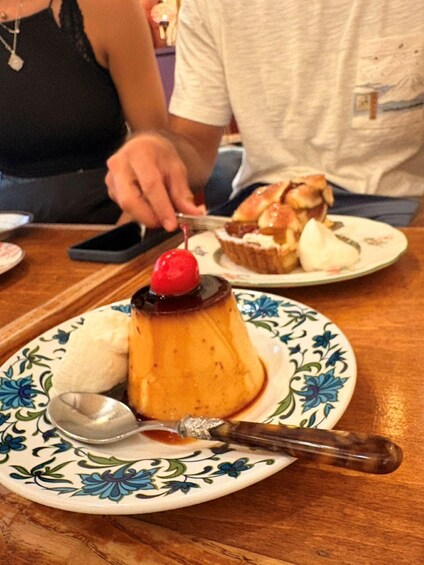
Step into two retro cafés — kissaten, as they are known in Japan — that have been serving the same neighbourhood for decades, and into the vintage district that made Koenji Tokyo's alternative capital. Drinks and a snack are included at both stops. Total walking distance is only 1.5 km on flat ground.
Koenji sits fifteen minutes west of Shinjuku on the JR Chuo Line, and it stayed defiantly itself while the rest of the city rebuilt around it. Unlike Shimokitazawa or Kichijoji, which are now firmly on the tourist circuit, Koenji still runs on its own residents.
Koenji sits fifteen minutes west of Shinjuku on the JR Chuo Line, and it stayed defiantly itself while the rest of the city rebuilt around it. Unlike Shimokitazawa or Kichijoji, which are now firmly on the tourist circuit, Koenji still runs on its own residents.
Learn why it has remained defiantly itself while the rest of the city changed around it.
Stroll through the streets north of the station, where Koenji's famous vintage clothing district begins. Dozens of independently owned shops line the alleys here, selling 1950s Americana, Japanese workwear, late-80s Tokyo street fashion, and everything in between.
Learn about the culture behind it and why young Tokyoites travel from across the city every weekend to shop here. Hear what it says about Koenji's place in Tokyo's identity.
Stop at a long-running café that has never tried to impress anyone. The interior is lived-in, the coffee is serious, and the regulars look like they have been coming for years. Your guide tells you who sits here, what they order, and how the café fits into Koenji's larger storey. Enjoy a drink and light snack.
Continue into the backstreets connecting the vintage district to the quieter residential blocks behind it. The pace is unhurried. Your guide points out the details that matter, such as the live music venue that has hosted Tokyo's underground scene for thirty years, the record shop run by someone who refuses to sell online, and the community board that still gets used by real neighbors.
Stop at a second kissaten, chosen for contrast. Perhaps a counter-style coffee bar where regulars sit in comfortable silence, or a slightly brighter space that draws the local creative crowd in the afternoon. A different atmosphere, the same unhurried feeling. Enjoy a drink and light snack.
End your tour with a walk back towards the station through Koenji's covered shopping streets, where the neighborhood's day-to-day life plays out in full view.