Upon entering the majestic late-Gothic villa, built starting from 1413 at the behest of Paolo Guinigi, lord of Lucca, one immediately senses the aura of a place of power and beauty. The exquisite architecture, with arcades and three-light windows on slender columns, evokes the refined splendour of Renaissance Lucca.
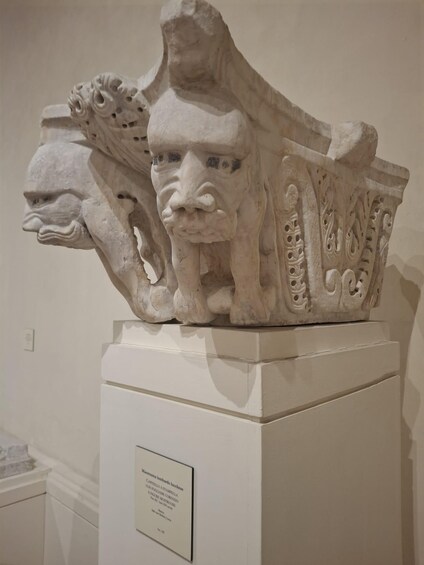
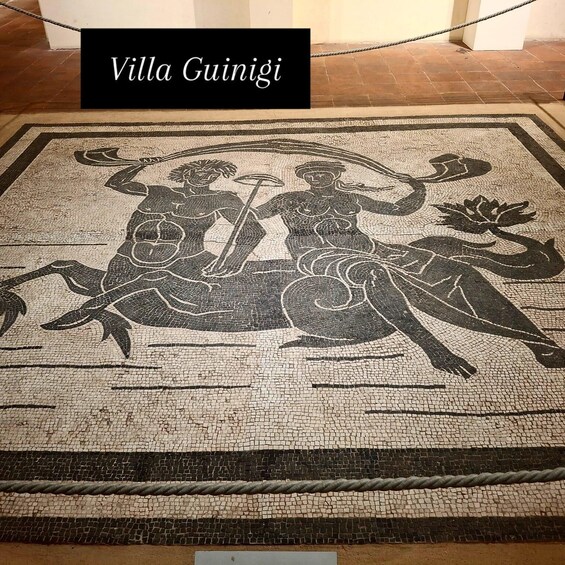
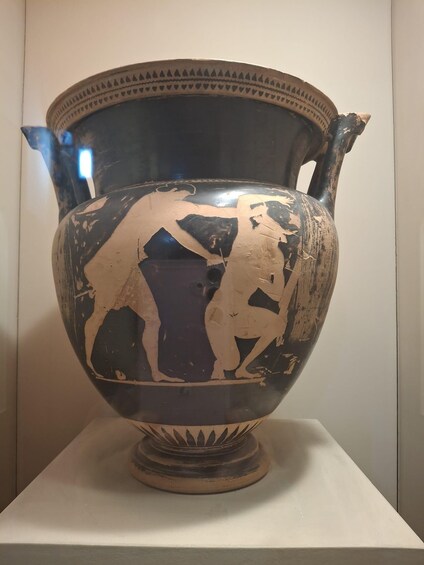
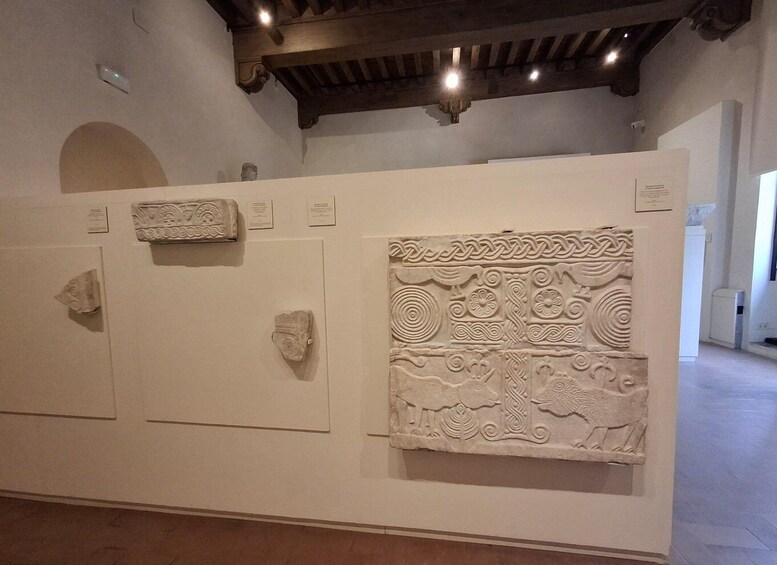
Inside, the museum unfolds like a storey through images and artefacts, following a chronological historical route. It begins on the ground floor with archaeological finds – ancient Etruscan and Roman artefacts, refined Lombard jewellery – that transport you to the deep origins of the city and its territory.
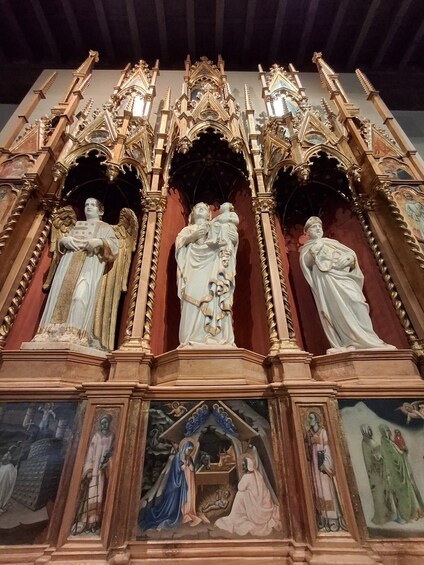
Going up to the main floor, here are the artistic gems that narrate the transition from the Middle Ages to the Renaissance and beyond. Among the most famous:
The painted Cross by Berlinghiero Berlinghieri, a precious and evocative work from the 13th century, the intense and refined sculptures by the artist from Lucca, Matteo Civitali, such as the marble Madonna and Child or the wooden Vir Dolorum, the altarpieces by the Florentine master Fra' Bartolomeo, including the “Madonna of Mercy” and “God the Father with Saint Catherine and Mary Magdalene”, the Allegory of Liberty from Lucca by Paolo Guidotti (1611), and the large Caravaggio-style canvases by Pietro Paolini. The Ecstasy of St. Catherine and the powerful Martyrdom of St. Bartholomew by Pompeo Batoni, examples of 18th-century art.
As a whole, the museum is a celebration of Lucca's cultural identity: ancient artefacts, spirituality, Renaissance energy, and Baroque passion. Each room is an act of discovery, each work a chapter in a great artistic novel.